
Building a New Home? We'll Sort the Finance
Construction loans, turnkey, house and land. We guide you through the lending from consent to completion. One adviser, 25+ lenders, and no fee to you.
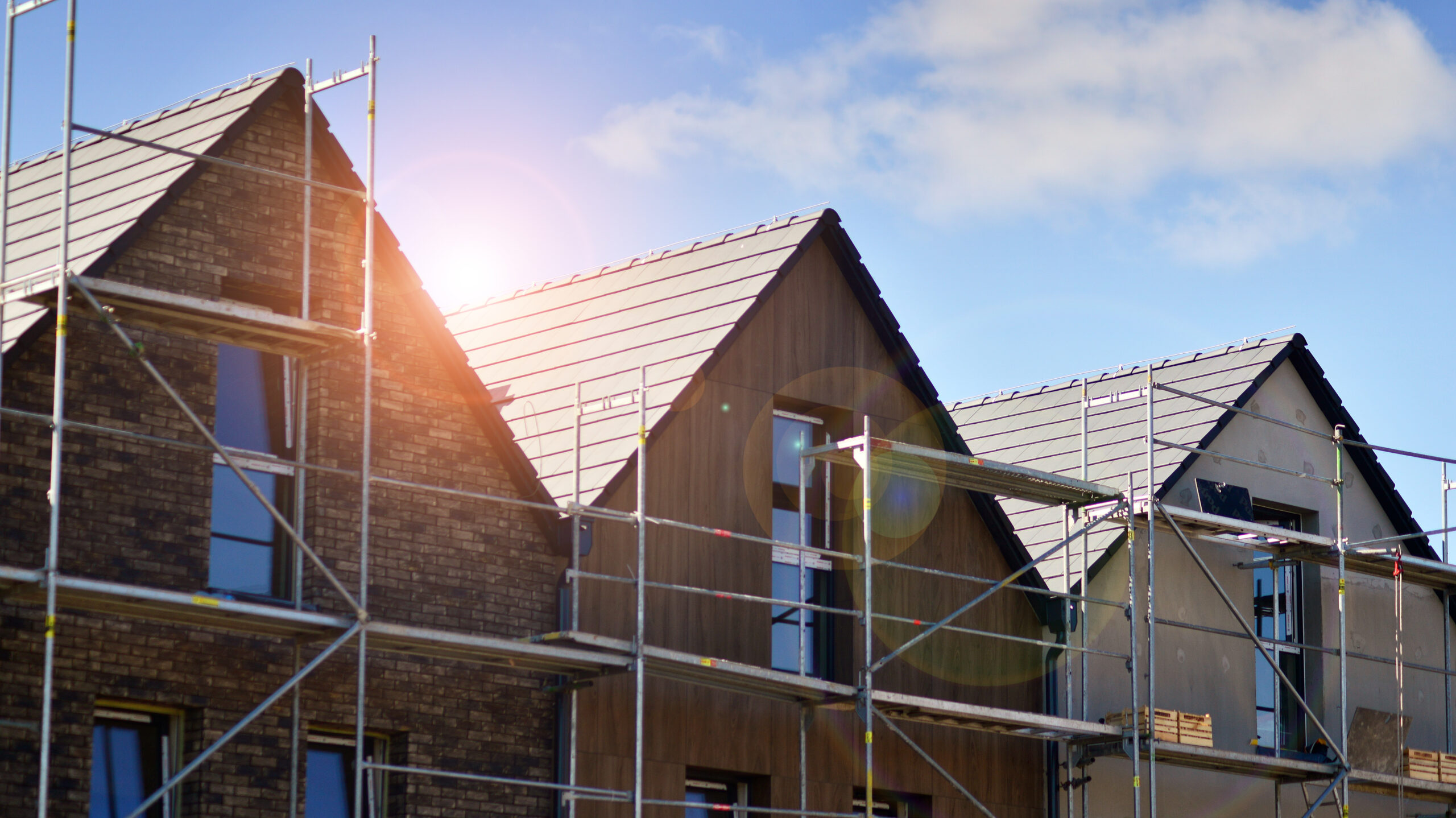
Ways to Build or Buy New in NZ
"New build" covers more than one path. The finance looks different depending on which path you take, so it's worth knowing the options before you commit.
A developer sells you the section and the build together, usually as a single fixed-price contract. You settle the land first, then the build is completed and you move in. Common in new subdivisions.
You engage a design-and-build company who handles the plans, consents, and construction under one roof. You own the land (either already or purchased separately) and sign a fixed-price or cost-plus contract for the build.
You buy a home that hasn't been built yet, usually an apartment, townhouse, or unit in a larger development. You pay a deposit at signing and the balance on completion (usually as a turnkey settlement, see next section).
You own the land (or are buying it), hire your own architect and builder, and run the project yourself (usually with a project manager). Fully custom home, fully your decisions.
Turnkey vs Progress Payment
Every new build contract falls into one of two payment structures. They're not the same deal, and the one you sign determines how your bank structures the loan.

Deposit at signing, balance in one payment on completion.
Deposit, then staged payments as each build stage completes.
The developer or builder owns the land and building until handover.
You typically own the land; the builder is paid for work completed.
Lower. Price is fixed. Builder carries cost-overrun and delay risk.
Higher. You've funded work already completed. Builder insolvency becomes your problem.
Single settlement loan, similar to buying an existing home.
Construction loan with staged drawdowns, interest-only during build.
Buyers who want certainty and a move-in date.
Buyers building on their own section or running a custom build.
Legal note: any residential building work valued at $30,000 or more (including GST) must be covered by a written contract under MBIE rules (building.govt.nz). Always have your contract reviewed before you sign.
Why New Builds Need Less Deposit
The Reserve Bank's LVR (loan-to-value ratio) rules cap how much banks can lend at high LVRs. New builds are exempt from those caps, which means banks can lend you more against a new build than they can against an existing home.
How the LVR rules work
New builds sit outside the LVR speed-limit caps. Banks are free to lend at higher LVRs on new-build properties without it counting against their quota (BNZ). Each bank sets its own minimum for new-build lending, so the deal depends on the lender, not just the rules.
KiwiSaver and First Home Loan
Eligible members can withdraw contributions, employer contributions, returns, and the government contribution (leaving a $1,000 minimum in the account) towards buying or building a first home (IRD).
The 5% deposit scheme underwritten by Kāinga Ora via participating lenders remains available for eligible first-home buyers, including on new builds (Kāinga Ora).
How a Construction Loan Works
A construction loan is a progress-payment loan: the bank releases funds in stages as your build progresses, rather than handing over the full amount on day one.
The bank assesses your borrowing capacity based on the finished home, not the land alone. A registered valuer produces an "as if complete" valuation using your plans, specifications, and the fixed-price build contract. That figure becomes the reference point for how much the bank will lend.
If you're buying land and building separately, the land settlement is the first drawdown. If you already own the section, you skip straight to Step 3.
The build is divided into stages, typically foundation, framing, enclosed, fit-out, and completion. Your builder invoices each stage as it's finished, the bank verifies the work, and funds are released directly to the builder. You only pay interest on the portion that's been drawn, not the full loan amount.
When the council issues the Code Compliance Certificate (CCC), the build is legally complete. The bank does a final valuation and releases the last drawdown.
Once fully drawn, the construction loan converts to a standard home loan. You can fix part or all of it at that point. Most banks don't allow fixed rates on a loan still being drawn down. From this point, principal-and-interest repayments kick in.
Things to Consider Before Building
Construction finance is one of the more complex loan types, and the build itself carries risks a standard home purchase doesn't. A few things to weigh up before you sign.
Build costs have been relatively flat recently, but most builds still run over the original contract price. Variations (changing materials or layout mid-build), upgrades to kitchens, bathrooms, or flooring, and unforeseen site issues like ground conditions or council fees all add up. Most banks want a contingency built into your loan, typically 5 to 10% on top of the build contract price, so you've got headroom if things shift.
Restricted building work on residential homes must be carried out or supervised by a Licensed Building Practitioner (LBP). Beyond that, check whether your builder offers a Master Build 10-Year Guarantee. It covers loss of deposit, non-completion (to contract value limits), and structural defects for 10 years. Most banks treat the presence of a Master Build guarantee as a tick against the application.
Get a property lawyer to review the build contract, especially for off-the-plan purchases with sunset clauses, variation clauses, or price-escalation clauses. The contract determines whether you're on turnkey or progress-payment, who carries delay risk, and what happens if the builder runs into trouble.
Builds take months, sometimes more than a year from contract to CCC. Rates can move during that window, and you can't fix your construction loan until the final drawdown. Factor that into your budget. Work out what repayments would look like at a rate 1 to 2% higher than today's.
Banks assess your application at a test rate higher than the advertised rate to make sure you can still afford the loan once rates reset. The bigger the loan, the tighter that test gets.
How Simpler Helps with New Build Finance
Construction loans have more moving parts than a standard mortgage. Valuation timing, drawdown schedules, different policies at each bank, fix-on-completion rules. Getting it wrong means delays, bridging costs, or losing your fixed-price contract.
Not every bank likes every build type. We know which lenders are comfortable with custom builds vs house and land, and which are stricter on drawdown stages or valuer choice.
Standard pre-approvals don't always survive a construction application. We get you pre-approved on the right basis first time.
If you're combining a KiwiSaver withdrawal with a First Home Loan, the timing between the two has to line up with your build settlement. We manage that.
Once the build starts, we stay involved. Through progress drawdowns, rate reviews on completion, and the switch to a standard mortgage.
Current Rates for Construction and New Builds
Most banks don't publish a separate "construction rate". Your rate follows the standard special or standard rate card based on your final LVR on completion. Because new builds are exempt from LVR rules, you can often secure a special rate even with a smaller deposit.
Our interest rates page shows current advertised specials across the major lenders, refreshed each week. Use it to benchmark what your fixed-on-completion rate could look like, then we'll model your borrowing capacity against it in your free chat.
During construction: your loan runs on a floating or variable rate. Fixed rates are only available once the loan is fully drawn. See the construction loan process above for the full picture.
Construction Loan FAQs
The questions we hear most from clients building or buying new in NZ.
Banks can lend more on a new build than an existing home because new builds are exempt from the Reserve Bank's LVR speed-limit rules. Owner-occupiers can sometimes get in with around 10% deposit, investors with around 20%. The minimum is set by each bank, not the RBNZ. The exact number depends on the lender and your overall profile.
Yes. If you meet the eligibility criteria, you can withdraw your KiwiSaver contributions (leaving $1,000 in the account) towards the deposit or build costs of a first home, including one you're building. The timing between your KiwiSaver withdrawal and your build settlement has to be coordinated. We can manage that.
Turnkey: deposit at signing, balance in one payment at completion, builder carries the risk during construction. Progress payment: staged payments as each build stage is completed, you carry more of the risk. See the comparison earlier on this page for the full breakdown.
Not during construction. Most banks require the loan to be fully drawn down before you can fix. During the build you'll be on a floating or variable rate, paying interest only on the drawn portion. Once the final drawdown is released and you have a CCC, you can fix part or all of it.
No. The Government closed the First Home Grant to new applications on 22 May 2024. The First Home Loan (5% deposit scheme via Kāinga Ora) is still operating and can be used for new builds.
It varies by build type. House and land packages are often 6 to 12 months. Custom builds can take 12 to 18 months or longer from contract to CCC. Your build contract should specify a completion date and what happens if it slips.
It's not legally required, but it's strongly recommended. The Master Build 10-Year Guarantee covers loss of deposit, non-completion, and structural defects for 10 years. Most banks look more favourably on applications where the builder is a Registered Master Builder.
Typically the borrower, though it varies by lender. Budget for an initial "as if complete" valuation, and potentially further valuations at key drawdown stages or completion.















Thinking About Building? Let's Talk.
Construction finance has more moving parts than a standard mortgage, and the right lender depends on your build type, your deposit, and your timeline. We'll walk you through your options and match you with the bank whose construction policy fits your build. Free service. No obligation.
- The minimum deposit you'll need on a new build
- Whether turnkey or progress payment fits your build
- Which lender's construction policy matches your plans
- How to coordinate KiwiSaver and First Home Loan timing