Green Home Loan Top Ups: From 0% for EVs, 1% for Energy Upgrades
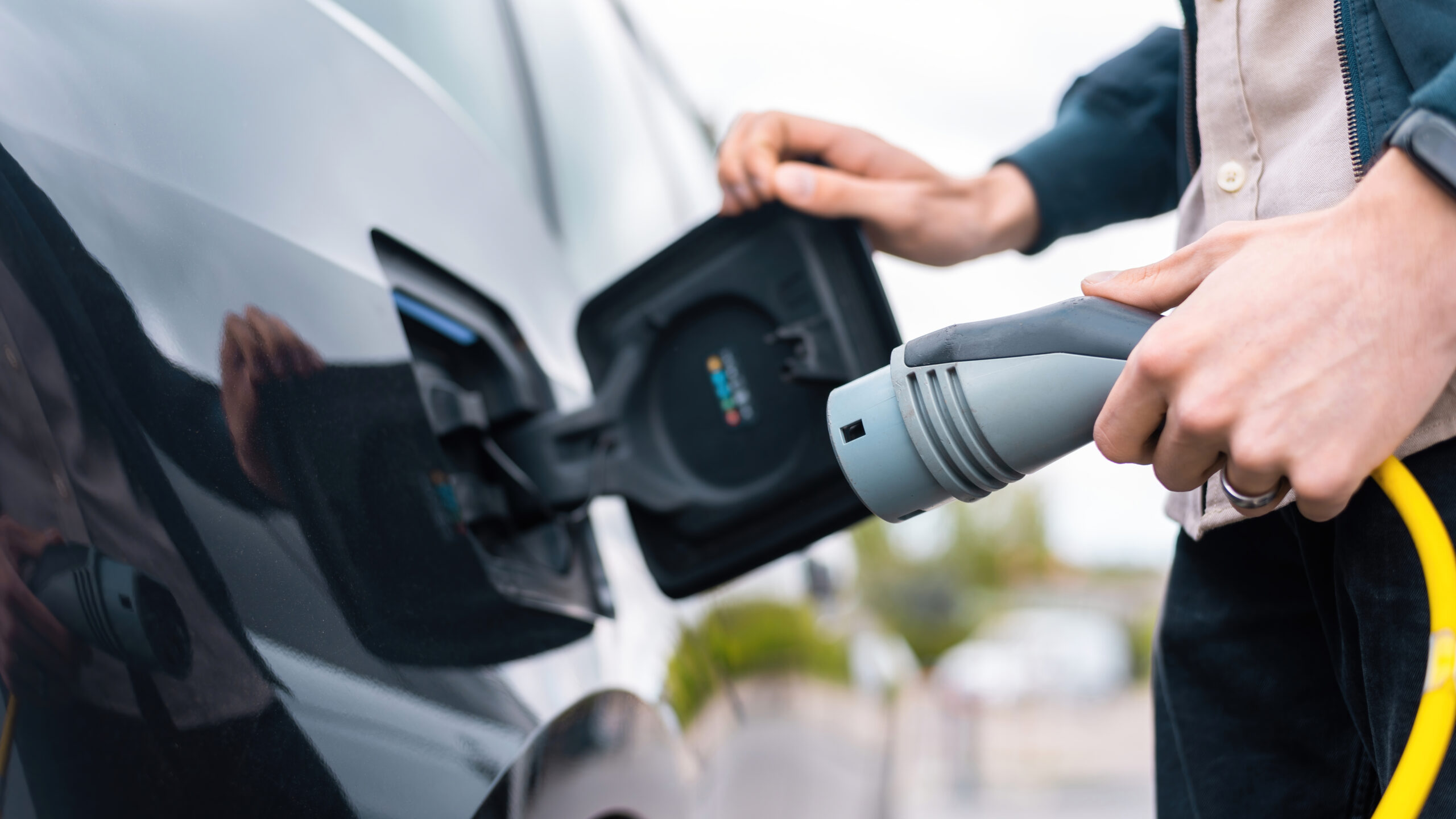
Every major New Zealand bank currently offers dramatically reduced interest rates on home loan top ups when you use the money for an electric vehicle, solar, insulation, or heating upgrades. Rates start from 0% with Westpac and 1% with ANZ, ASB and BNZ, all significantly cheaper than a standard car loan or personal loan.
We compare the offers across all the major lenders for free, and help you pick the one that suits your situation.
Why a Home Loan Top Up Is Cheaper Than a Car Loan for an EV
A standard car loan in NZ typically sits in the double-digit interest rate range. A home loan top up through one of the green loan schemes can be as low as 0% (Westpac) or 1% (ANZ, ASB, BNZ) for the first few years.
Here's why the maths works in your favour:
You're borrowing at a promotional green rate instead of standard personal loan rates.
The loan sits against your home, which is why the rate is so low.
It rolls into your existing mortgage admin.
You can pay it off faster if you want to (no clawback fees on most green loans).
These rates are promotional and only apply for a fixed period (usually 3 years, 5 years with Westpac). After that period ends, the rate reverts to the bank's standard floating or fixed home loan rate, so you'll want to have it paid down as much as possible before that happens.
Also worth knowing: most of these schemes require you to already have (or set up) a home loan with the bank. And most require you to buy from a registered motor vehicle trader, as private sales don't usually qualify.
Green Home Loan Top Ups: Bank Comparison
Here's how the major banks' offers stack up as of 2026.
| Bank | Product | EV Rate | Max Amount | Term | Key Notes |
|---|---|---|---|---|---|
 Westpac
|
Greater Choices Home Loan | 0% p.a.Best Rate | $50,000 | 5 years | First NZ bank to offer 0% EV lending. No establishment fee. Free early repayment. |
 ANZ
ANZ
|
Good Energy Home Loan | 1% p.a. fixedHighest Amount | $80,000 | 3 years | New and existing ANZ home loan customers. Reverts to floating rate after 3 years. |
 ASB
ASB
|
Better Homes Top Up | 1% p.a. fixed | $80,000 | 3 years fixed (30 yr max total) | Existing ASB home loan customers. 20% equity required (40% for investment properties). |
 BNZ
BNZ
|
Better Future Home Loan Top Up | 1% p.a. fixed | $80,000 | 3 years | $5,000 minimum. 20% equity required. $100 top-up fee for existing customers. |
 Kiwibank
|
Sustainable Energy Loan | Standard rate | Varies | N/A | No discounted rate. Contributes up to $2,000 towards the system over 4 years if you borrow more than $5,000. |
Sources: Westpac, ANZ, ASB, BNZ product pages. Rates and terms current as of April 2026.
Which one is right for you? It depends on which bank you already have your mortgage with, how much you want to borrow, and whether you want the longer 5 year term (Westpac) or the larger loan amount (ANZ, ASB, BNZ). That's exactly what we help you work out.
Want help picking the best green loan for your situation?
Book a Free ChatWhat Can You Use a Green Top Up For?
The green loan programmes aren't just for EVs. Each bank's scheme covers a range of sustainability-related purchases.
- Full electric vehicles (BEVs)
- Plug-in hybrid electric vehicles (PHEVs)
- E-bikes (BNZ)
- EV charging stations for your home
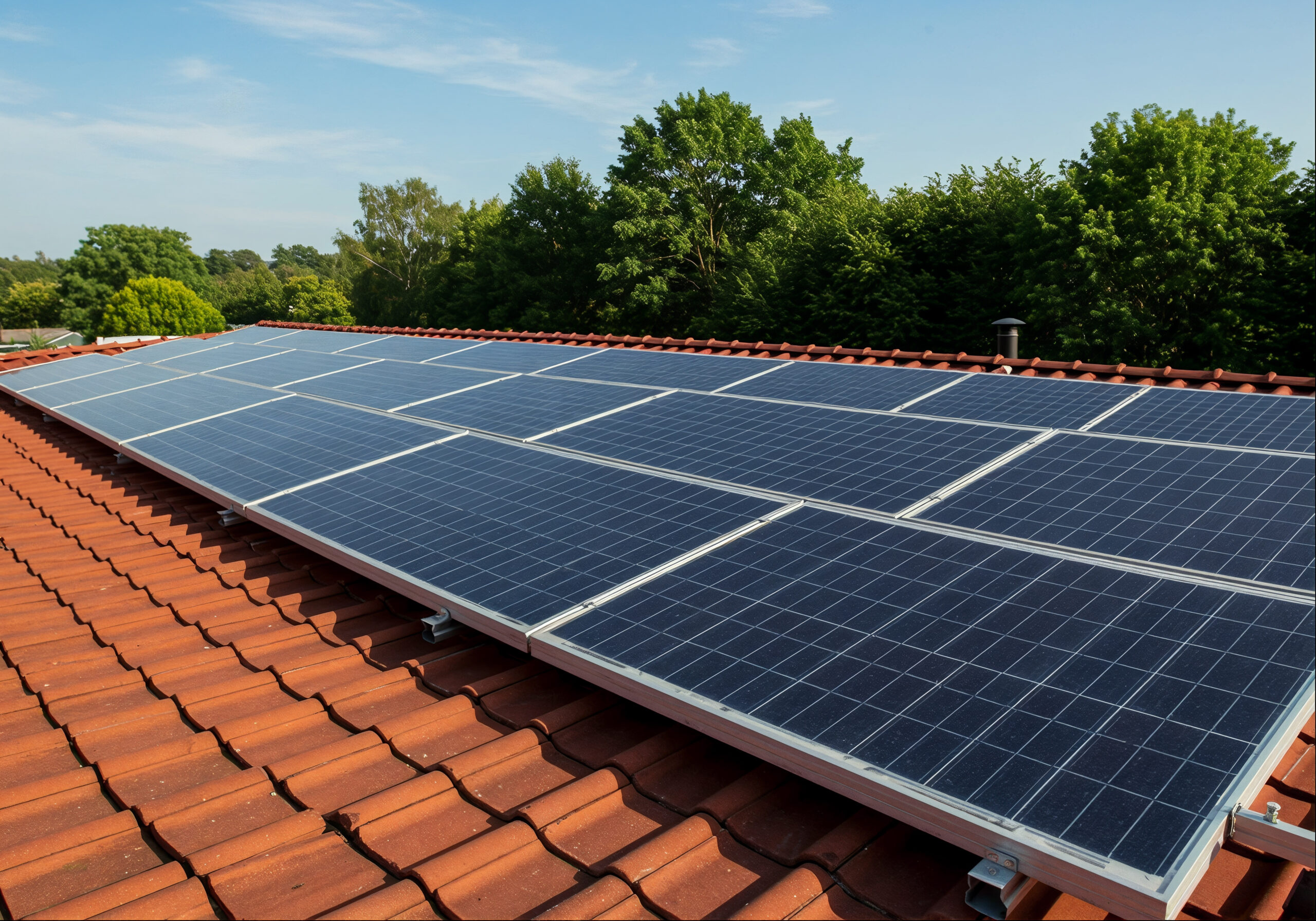
- Solar panels and batteries
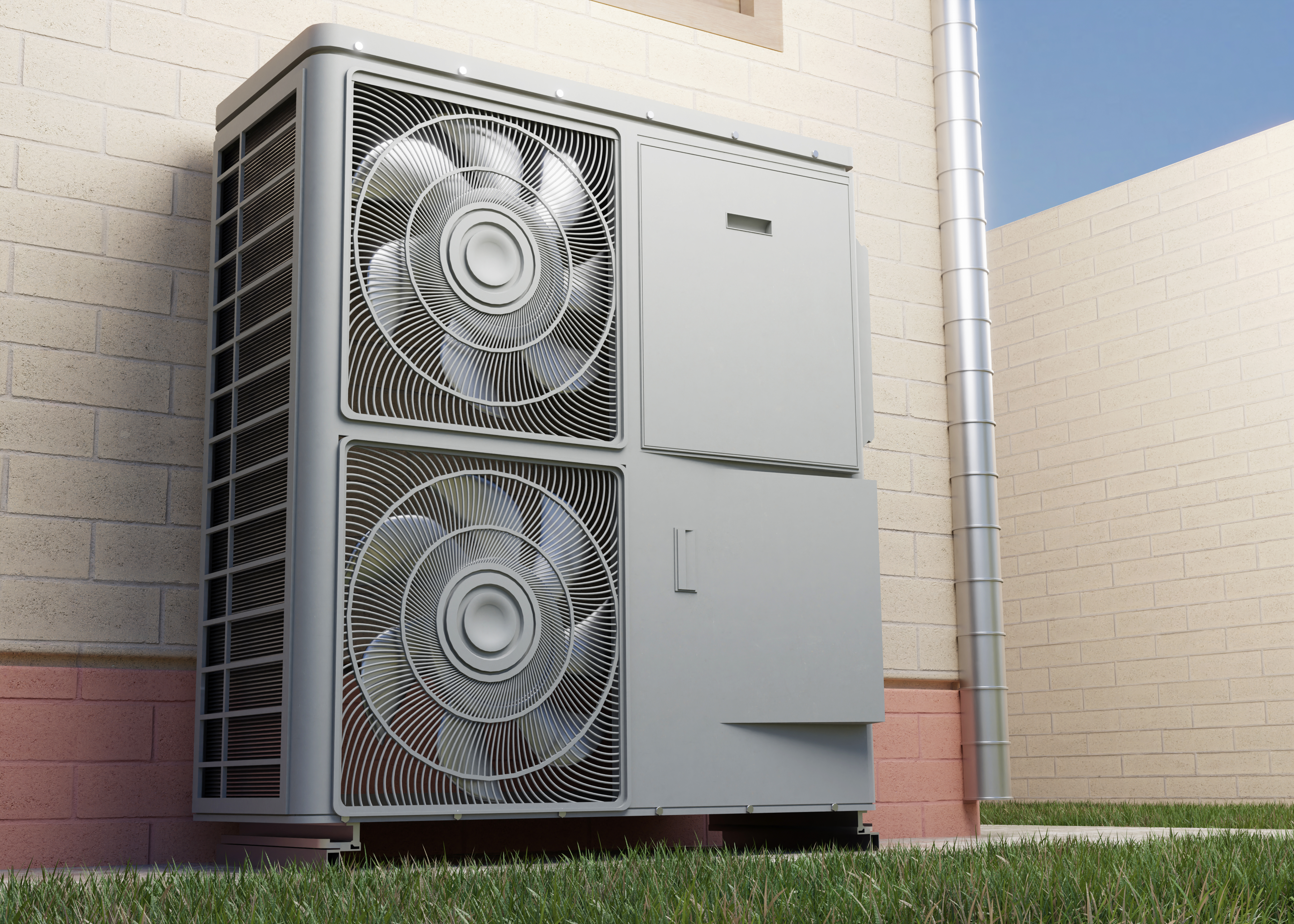
- Heat pumps and efficient heating systems
- Insulation (ceiling, wall, underfloor)
- Double or triple glazing
- Ventilation systems
- Solar hot water
- Rainwater tanks
Specific eligibility varies by bank. For example, BNZ explicitly includes e-bikes, while ASB's EV financing is specifically for vehicles purchased from a registered motor vehicle trader (not private sales).
Sources: BNZ, ASB, ANZ, Westpac product pages.
Other Reasons to Top Up Your Mortgage
Green loans get the best rates, but there are plenty of other reasons people top up their home loan.
Using your home's equity to fund a renovation is one of the most common top up reasons. Because the money is secured against the property, the rate is usually significantly cheaper than a personal loan, even outside the green loan schemes. Some renovations may also qualify for the green loan rates (insulation, heating, double glazing), so it's worth checking first.
If you have credit cards, personal loans, or buy-now-pay-later balances building up, rolling them into your mortgage can reduce your total interest costs. The catch: spreading short-term debt over a 25 year mortgage term means you could pay more in total interest unless you keep repayments high. We'll model the numbers so you can see the real impact.
Buying a regular car through a home loan top up is cheaper than a standard car loan because the rate is lower. You won't get the 0% or 1% green rates, but you'll still typically pay less than a dealer finance or bank personal loan.
Any large purchase that would otherwise go on a personal loan can potentially be funded through a top up at a lower rate, though we'd always want to talk through whether that's genuinely the best move for your situation. Longer-term secured debt isn't always the right answer for short-term purchases.
Can I Get Pre-Approved Before I Buy the Car?
Yes, and you should. Pre-approval means the bank confirms how much they'll lend you before you commit to buying. You walk into the dealership knowing your exact budget.
We review your situation, mortgage, and what you want to buy.
We gather your documents and submit to the right lender.
The bank confirms the amount and rate they'll offer.
Visit a registered dealer and confirm your purchase.
Sign the purchase agreement and the bank releases the money.
Most banks require the EV from a registered trader, not a private sale. ASB requires the agreement within 60 days.
Usually a few months. If you take longer to find a car, we can refresh the application.
You don't need a specific make or model. Just an indication of your price range is enough.
You may need to refinance your mortgage to access the best green loan. We'll model whether the savings are worth it.
- Proof of income (payslips, or tax returns if self-employed)
- Your current mortgage statement
- Photo ID
- A rough idea of the EV price range
- For some banks: at least 20% equity in your home
Ready to get pre-approved?
Book a Free ChatSource: ASB Better Homes Top Up product page.
Other Things to Know
A home loan top up isn't automatic. The bank reassesses your situation each time. A few extra things to keep in mind:
You'll need equity: most banks require at least 20% equity in your property (more for investment properties).
The property may need a valuation, especially if it's been a while since the last one.
You'll need to prove the use: for green loans, banks want evidence that the money is going toward the approved purpose (invoices, purchase agreements, etc.).
Your existing home loan structure may need updating, depending on how your current mortgage is set up.
The promotional rate is time-limited: plan ahead for what happens when the 3 year (or 5 year) period ends and the rate reverts to standard.
Why Use Simpler for Your Green Loan Top Up?
We're paid by the lender. You don't pay a cent.
We know which banks have the best rates, the right terms, and the easiest application process for green loans.
We gather your documents, prepare the application, and submit to the right lender.
We recommend the option that works best for you, not the bank that pays us the most.









Green Home Loan Top Up FAQs
Yes. Pre-approval confirms (in principle) how much the bank will lend you and at what rate, before you commit to a specific car. This means you can walk into a dealership knowing your exact budget. Pre-approval has a fixed expiry period, so you'll want to use it within a few months or refresh it.
As of 2026, Westpac's Greater Choices Home Loan offers 0% p.a. for up to $50,000 for 5 years, which is the lowest rate on the market. ANZ, ASB, and BNZ offer 1% p.a. for up to $80,000 for 3 years.
Most of the green loan schemes require you to be an existing home loan customer with that bank (or become one). If you don't own a home, you'd need to look at a standard personal loan or dealer finance instead.
Most banks require the EV to be purchased from a registered motor vehicle trader, which means private sales usually don't qualify. Used EVs from dealerships are typically eligible. Check with the specific bank's criteria.
Up to $80,000 with ANZ, ASB, or BNZ. Up to $50,000 with Westpac. The exact amount you can borrow also depends on your equity and serviceability.
After the promotional period, the rate reverts to the bank's standard home loan rate (fixed or floating). You'll want to plan for this, either by having the loan mostly paid down by then, or by refixing at the going rate.
Most green loan schemes allow early repayment without penalties (Westpac explicitly confirms this), but check the specific terms of the product you're considering. We'll walk you through any restrictions.
A top up is borrowing more on your existing mortgage. Refinancing your mortgage is moving it to a different bank (and sometimes borrowing more at the same time). If you're specifically chasing a green loan rate from a bank you're not currently with, you might need to do both.
Applying for a top up creates a credit enquiry, which has a small, temporary impact. The bank will also reassess your overall affordability, so any new debts (credit cards, personal loans) will be counted.
Ready to Save on Your Next EV or Home Upgrade?
The 0% and 1% green rates available right now are genuinely the cheapest borrowing in NZ for sustainability purchases. Book a free chat and we'll compare the offers across all the major banks and recommend the one that works best for your situation.